Social Media's Double Edged Sword: How It Shapes Teens Today
Before many teenagers get out of bed each morning, they have already checked notifications, viewed messages, watched videos, and scrolled through multiple social media platforms. What was once a tool for communication has evolved into a powerful force shaping how young people think, learn, interact, and view themselves. Social media has become one of the defining influences of modern teenage life, bringing remarkable opportunities alongside serious challenges that cannot be ignored.
Introduction
Social media is now deeply woven into everyday life across Nigeria, Africa, and the wider world. Platforms such as Facebook, Instagram, TikTok, X, Snapchat, YouTube, and emerging digital communities allow teenagers to communicate instantly, access information, express creativity, and participate in global conversations.
The digital revolution has created unprecedented opportunities for learning and connection. A teenager in Lagos can learn programming from an instructor in Asia, discover scholarship opportunities in Europe, collaborate with creators in America, and build an online business without leaving home.
However, these same platforms also expose young people to cyberbullying, unrealistic beauty standards, misinformation, harmful content, sleep disruption, and mental health concerns. As a result, social media has become one of the most discussed topics among educators, parents, policymakers, and mental health experts in 2026.
The reality is simple. Social media is neither completely beneficial nor entirely harmful. Its impact depends largely on how it is used, how frequently it is used, and whether healthy boundaries are in place.
The Positive Impact of Social Media on Teenagers
Despite growing concerns, social media continues to offer meaningful benefits when used responsibly. Many teenagers have leveraged these platforms to develop skills, build communities, and access opportunities that were previously unavailable.
1. Connection and Community Building
One of the greatest advantages of social media is its ability to connect people regardless of distance. Teenagers can maintain friendships, communicate with relatives living abroad, and participate in communities centered around shared interests.
Young people who feel isolated due to location, disability, personal challenges, or uncommon interests often find support networks online. These communities can provide encouragement, guidance, and a sense of belonging.
2. Self Expression and Identity Development
Adolescence is a period of self discovery. Social media allows teenagers to express themselves through writing, photography, music, art, content creation, and entrepreneurship.
Many successful creators, developers, designers, and business owners started by sharing their work online during their teenage years. Positive engagement can strengthen confidence and encourage personal growth.
3. Access to Information and Support
Educational content is more accessible than ever. Teenagers can learn new skills, discover career opportunities, access mental health resources, and participate in meaningful social discussions.
Across Africa, social media is increasingly becoming a gateway to digital education, entrepreneurship, remote work opportunities, and professional networking.
4. Entertainment and Relaxation
Social media provides entertainment through videos, music, games, educational channels, and cultural content. When consumed in moderation, these activities can help teenagers relax and recharge after academic or personal responsibilities.
The Negative Impact of Social Media on Teenagers
While the benefits are substantial, the risks become increasingly serious when social media use becomes excessive, uncontrolled, or unhealthy.
"Technology should support a teenager's growth, not become the force that controls their emotions, confidence, and decisions."
1. Mental Health Challenges
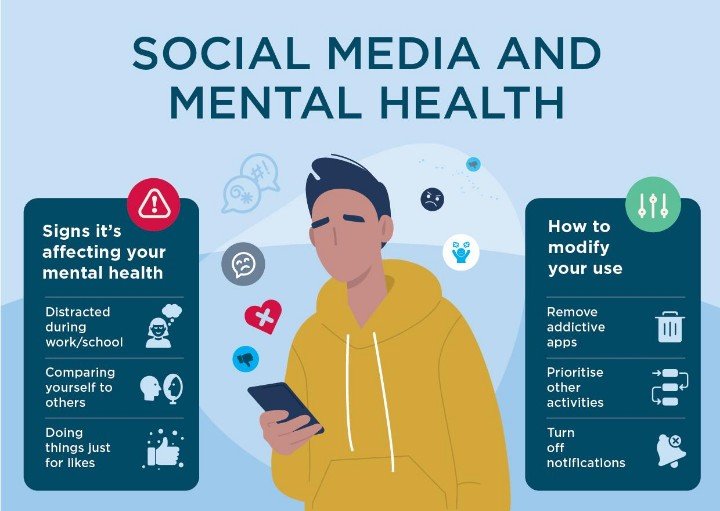
Research consistently shows that heavy social media use can contribute to anxiety, stress, loneliness, and depressive symptoms among adolescents. Teenagers who spend more than three hours daily online often report lower levels of emotional well being than those who use social media in moderation.
Constant comparison, online pressure, and exposure to negative content can gradually affect emotional health and self confidence.
2. Body Image and Self Esteem Issues
Social media often promotes unrealistic standards of beauty, success, and lifestyle. Carefully edited photos and highly curated content can create false expectations that many teenagers feel pressured to achieve.
Frequent comparisons with influencers and celebrities may lead to dissatisfaction with personal appearance and reduced self esteem.
3. Cyberbullying
Cyberbullying remains one of the most serious dangers facing young people online. Hurtful comments, public humiliation, harassment, exclusion from online groups, and the sharing of embarrassing content can have devastating emotional consequences.
Unlike traditional bullying, cyberbullying can follow victims everywhere through their devices, making it difficult to escape.
4. Sleep Disruption
Many teenagers sacrifice valuable sleep to remain active online. Late night scrolling, endless notifications, and pressure to respond immediately often interfere with healthy sleeping patterns.
Poor sleep quality has been linked to reduced concentration, lower academic performance, increased anxiety, and emotional instability.
5. Exposure to Harmful Content
Social media platforms can expose teenagers to violent content, pornography, self harm material, misinformation, illegal substance promotion, and online predators.
Without adequate safeguards, repeated exposure to harmful content can influence attitudes, beliefs, and behavior.
6. Digital Stress and Fear of Missing Out
The pressure to remain constantly connected has created a new form of stress. Many teenagers worry about missing updates, trends, conversations, or opportunities.
This fear often leads to compulsive checking, reduced productivity, and increased emotional exhaustion.
Current Trends and Realities in 2026
- Researchers increasingly focus on how social media is used rather than simply measuring screen time.
- Educational creators are helping millions of young people gain valuable digital skills.
- Governments are introducing stronger online safety regulations for minors.
- Mental health awareness campaigns are becoming more visible on social platforms.
- Digital literacy education remains a major need across many developing nations.
- Parents and educators are seeking healthier approaches to digital supervision.
Set healthy screen time limits, disable unnecessary notifications, avoid harmful content, prioritize real life relationships, and use social media to learn, create, and build valuable skills.
Maintain open conversations about online experiences, create technology free family moments, encourage offline activities, and model healthy digital behavior.
Strengthen cyberbullying protections, improve reporting systems, provide age appropriate experiences, and integrate mental health support resources directly into social platforms.
The Future of Social Media and Youth Development
Social media will continue to evolve, and its influence on young people will likely grow stronger in the coming years. The challenge is not to eliminate social media from teenage life but to ensure it is used in ways that promote learning, creativity, healthy relationships, and personal development.
For countries such as Nigeria, where digital opportunities are expanding rapidly, responsible social media use can become a powerful tool for education, entrepreneurship, innovation, and economic growth. However, these benefits can only be fully realized when digital literacy and online safety remain priorities.
The Bottom Line
Social media is one of the most powerful tools available to today's generation. It can connect, educate, inspire, and create opportunities. At the same time, it can contribute to anxiety, cyberbullying, sleep deprivation, and emotional distress when used without limits.
The most effective solution is balance. Moderate and intentional use, combined with strong support systems and healthy boundaries, allows teenagers to enjoy the benefits of social media while minimizing the risks.
Social media has transformed teenage life by creating opportunities for learning, creativity, and global connection. However, excessive use can contribute to mental health challenges, cyberbullying, sleep disruption, and digital stress. Understanding both sides is essential for healthier digital habits.
Drop Your Comment
What do you think about the impact of social media on teenagers today? Has it helped more than it has harmed, or do the risks outweigh the benefits? Share your thoughts and experiences in the comments section below.